
Types of Slips, Trips, and Falls
There are different types of slip, trip, and fall incidents that can occur, and there are some common factors that are known to cause them. For example, a person can slip on something, trip over something, or step on something—and fall as a result. Sometimes, it is our own behavior that causes these accidents. Other times, however, it is the negligence of another that contributes to the accident occurring.
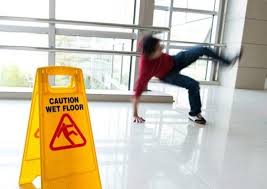
Examples of Different Types of Slips, Trips, and Falls
Although slip, trip, and fall sound as though they are referring to the same thing, they are actually different types of accidents. To provide you with some clarification as to what makes them different, we provide more information about each type of incident here.
Slips
Slips can happen when there is “loss of balance caused by too little friction between your feet and the surface you walk or work on,” according to the Occupational Safety and Health Administration (OSHA).
For example, if there is water, food, or some other type of liquid left on the floor, it can cause you to lose your balance and potentially slip and fall on the floor or into an object. In addition to those things, dust, power, or granules can also cause a person to slip.
According to OSHA, below are some additional factors that are known to cause slips:
- Polished floors such as concrete or marble
- Freshly waxed surfaces
- Stepping onto different surfaces (e.g., walking from carpet to tile)
- Loose floorboards
- Wet or muddy floors
- Ramps without the appropriate resistant surfaces
Trips
If your foot or leg hits something such as merchandise that was left in the middle of a shopping aisle, it can cause you to lose your balance and trip. When you trip, you may either fall onto the floor or into an object. Some causes of trips include:
- Clutter left in the walkway
- Exposed cables or cords
- Uneven flooring
- Uneven or damaged steps
- Uneven surfaces
In addition to these factors, poor lighting is also known to cause slips and trips.
Falls
Falls are often the result of a slip or trip incident. If you slip or trip and fall on someone else’s property, you might have a viable claim against the property owner. This is true for both public and private property.
Types of Slips, Trips, and Falls a New York Personal Injury Lawyer Can Help You With
Slip, trips, and falls can occur anywhere and at any given time. Some of the places a slip or trip incident might occur are:
At Your Place of Employment
Depending on where you work, you may be more at risk of slipping or tripping and potentially falling. For example, if you work on a construction site, there is a good chance you will be exposed to cords, heavy machinery, and even slippery surfaces. When safety measures are implemented, they can reduce the chances of a slip and fall accident from occurring.
However, when safety measures are ignored and a third party created hazardous conditions in your workplace, they could be held liable if you were to slip or trip and suffer injuries as a result.
In a Nursing Home
Older adults are more prone to falling due to their age and decline in abilities. The National Council on Aging (NCOA) states that an older adult is admitted into the emergency room to treat a fall-related injury every 11 seconds. When an older adult is neglected or is not properly supervised by nursing home staff members, they are more likely to fall and potentially suffer a serious or fatal injury.
On Public or Private Property
Property owners in New York are required to maintain their premises to ensure they are free from any unsafe or defective conditions. Those who neglect to do this could face legal repercussions if someone were to slip or trip and fall on their property.
Injuries Suffered in a Slip, Trip, and Fall Accident
Some of the injuries an individual could potentially suffer in a slip or trip accident include:
- Sprains and strains
- Bruises and contusions
- Fractures
- Abrasions and lacerations
- Traumatic brain injuries (TBI)
Even if you suffered just a scratch, it is crucial for you to contact a slip and fall accident attorney Floral Park or Garden City slip and fall injury lawyers (depending on where you had the accident). Your legal representative can explain you how you can file a claim or open a lawsuit against the at-fault party to receive compensation for your medical bills or lost wages. However, if you suffered serious injuries, you might be awarded non-economic damages that surpass whatever insurance policies cover. Pain and suffering, disfigurement, disability, etc. could be the effect of a slip and fall accident and you need a fair settlement to get your life back on track.
Contact the Law Office of Cohen & Jaffe, LLP After a Slip and Fall Accident in New York
If you or a loved one fell on someone else’s property, whether it was at work or while shopping at your local department store, you are encouraged to contact the Law Office of Cohen & Jaffe, LLP at (866) 878-6774 to find out if you are entitled to compensation for your injuries. We provide legal services to those who engaged in a slip and fall accident in Nassau, Queens, Suffolk, and neighboring counties.
If a public or private property owner’s negligence caused you to suffer injuries on their property, we will help you fight for the compensation you are due.